
-

-

-
-
-

-

Sol-Fit™, Green 13" Nitrile Flocklined Glove - 15 mil (144 pairs / case)
$362.63 - $388.90 -

-

-

-

-
-

-

-

-
-

Chemical-Resistant Gloves
Reusable and disposable gloves for handling oils, fuels, solvents, acids, caustics and cleaning chemicals, sold by the case. Each one is described by its manufacturer as resistant to the chemicals listed below, and most come with EN 374 ratings or a chemical resistance chart on the product page, so your safety lead can check them against the chemicals your crew actually uses.
| Glove | Material | Thickness | Length | Best known for | Case |
|---|---|---|---|---|---|
| Sol-Fit 29-913 | Nitrile, unlined | 11 mil | 13" | Detergents, oils, fuels, solvents | 144 pr |
| Sol-Fit 29-923 | Nitrile, unlined | 15 mil | 13" | Oils, fuels, solvents, degreasers | 144 pr |
| Sol-Fit 19-923 | Nitrile, flocklined | 15 mil | 13" | Solvents, alcohols, acids, fats | 144 pr |
| Sol-Fit 29-958 | Nitrile, unlined | 22 mil | 18" | Petrochemicals, bases, esters | 36 pr |
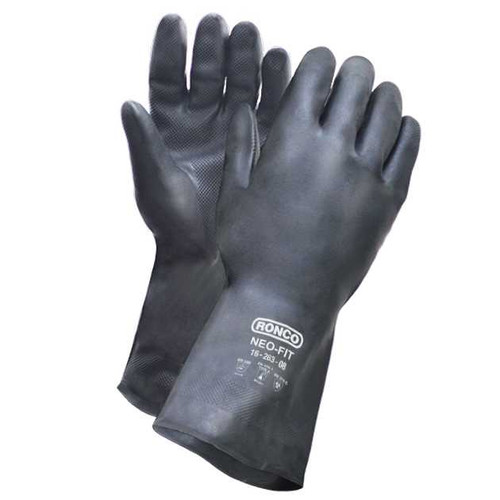
| NeoFit 16-263 | Neoprene, flocklined | 28 mil | 12" | Acids, peroxide, glycols | 144 pr |
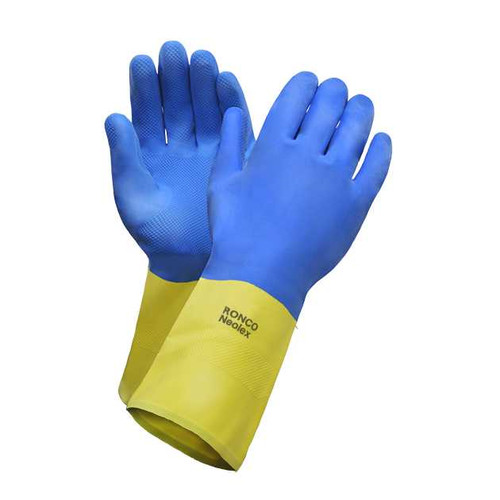
| NeoLex 56-562 | Neoprene over latex | 22 mil | 13" | Hydraulic fluid, alcohols, alkalis | 144 pr |
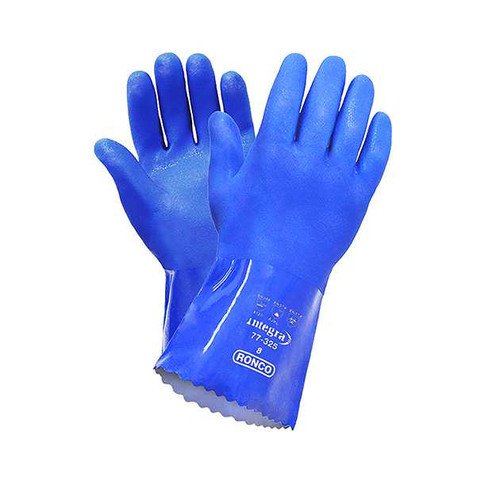
| Integra 77-325 | Triple-dipped PVC | – | 12" | EN 374 Type B (AJKL) | 72 pr |
| Integra 77-395 | Triple-dipped PVC | – | Forearm | Splash protection past the wrist | 36 pr |
| Integra Plus 79-325 | PVC co-polymer | – | 12" | Softer PVC for long shifts | 72 pr |
| Integra Plus 79-455 | PVC co-polymer, fleece | – | 12" | Chemicals in the cold, to -30°C | 72 pr |
| Integra 77-225 | Double-dipped PVC | – | 12" | Oily grip, solvents | 72 pr |
| Double Dipped 77-972 | Double-dipped PVC | – | 12" | Wet and solvent work, one size | 120 pr |
| Dura-Fit 15-352 | Latex, flocklined | 20 mil | 12" | Household chemicals, EN 374 Type C | 144 pr |
| Ultra-Fit 15-262 | Latex, flocklined | 28 mil | 12" | Heavy wet work, cleaning | 144 pr |
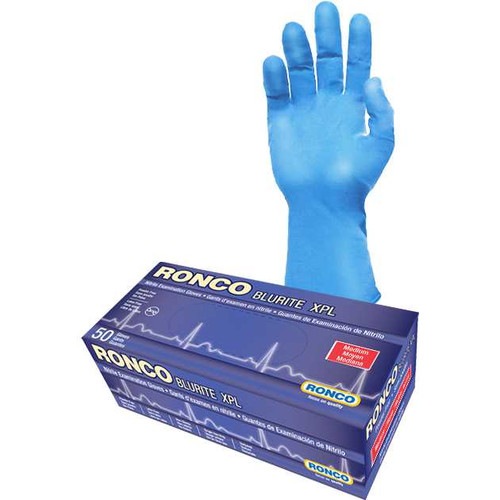
| Blurite XPL (disposable) | Nitrile exam | 8.5 mil | 12" | Splash protection, solvents | 500 |
| Sentron 6 (disposable) | Nitrile exam | 6 mil | Standard | Oils, fats, detergents, solvents | 1,000 |
How to choose a chemical-resistant glove
Start with the chemical, not the glove. No single material resists everything. Find the chemicals on your safety data sheets (SDS), then check them against the glove's resistance chart on its product page.
- Nitrile is the everyday choice for oils, fuels, greases and many solvents. The Sol-Fit chart rates it excellent for gasoline, hexane and kerosene, but not recommended for acetone or toluene.
- Neoprene covers many acids, caustics, peroxides and alcohols. The NeoFit chart gives it the top EN 374 class (over 480 minutes) for 95% formic acid, 30% hydrogen peroxide and ethylene glycol, but rates hexane, kerosene and ethyl ether as ones to avoid. In other words, neoprene and nitrile tend to cover each other's gaps.
- PVC is a tough, low-cost pick for acids, caustics, oils and wet work, and it stays flexible in the cold. The triple-dipped Integra gloves carry EN 374 ratings.
- Latex suits detergents, cleaning products and many water-based chemicals. It is not for solvents, fuels or oils, and it isn't an option for anyone with a latex allergy.
Thicker lasts longer, thinner feels more. An 11 mil glove gives good finger movement for light handling; 22–28 mil gloves resist longer contact and rough work.
Match the length to the splash. A 12–13" glove covers the wrist. For dipping, pouring or washing down, choose an 18" or forearm-length glove.
Lined or unlined. A flock or cotton lining absorbs sweat and is easier on hands over a long shift. Unlined gloves give better grip feel and are easier to rinse.
Reading EN 374 ratings
EN ISO 374-1 tests how long a chemical takes to pass through the glove. Each letter is a test chemical: A methanol, J n-heptane, K 40% sodium hydroxide, L 96% sulphuric acid (the full list runs A to T). Type A gloves pass at least six chemicals, Type B at least three, and Type C at least one. The class (1 to 6) shows breakthrough time, with class 6 meaning more than 480 minutes.
Before you order
- Disposable gloves are for splashes. Change them as soon as they're contaminated. For immersion or long contact, use a reusable glove from the table above.
- Hazardous drugs are different. For chemotherapy and other hazardous drugs, see our chemo-tested gloves.
- Not sure? Send us your chemical list and we'll point you to the right glove and its resistance chart. Contact us.